When it comes to home maintenance, one crucial aspect to consider is exterior siding replacement. This process not only enhances the aesthetics of your home but also plays a vital role in protecting it from the elements. Let’s delve into the world of exterior siding replacement to explore its significance and benefits.
As we progress, we will uncover the different types of siding materials available, preparation steps, hiring tips for contractors, DIY versus professional installation, cost factors, and maintenance tips for your new siding.
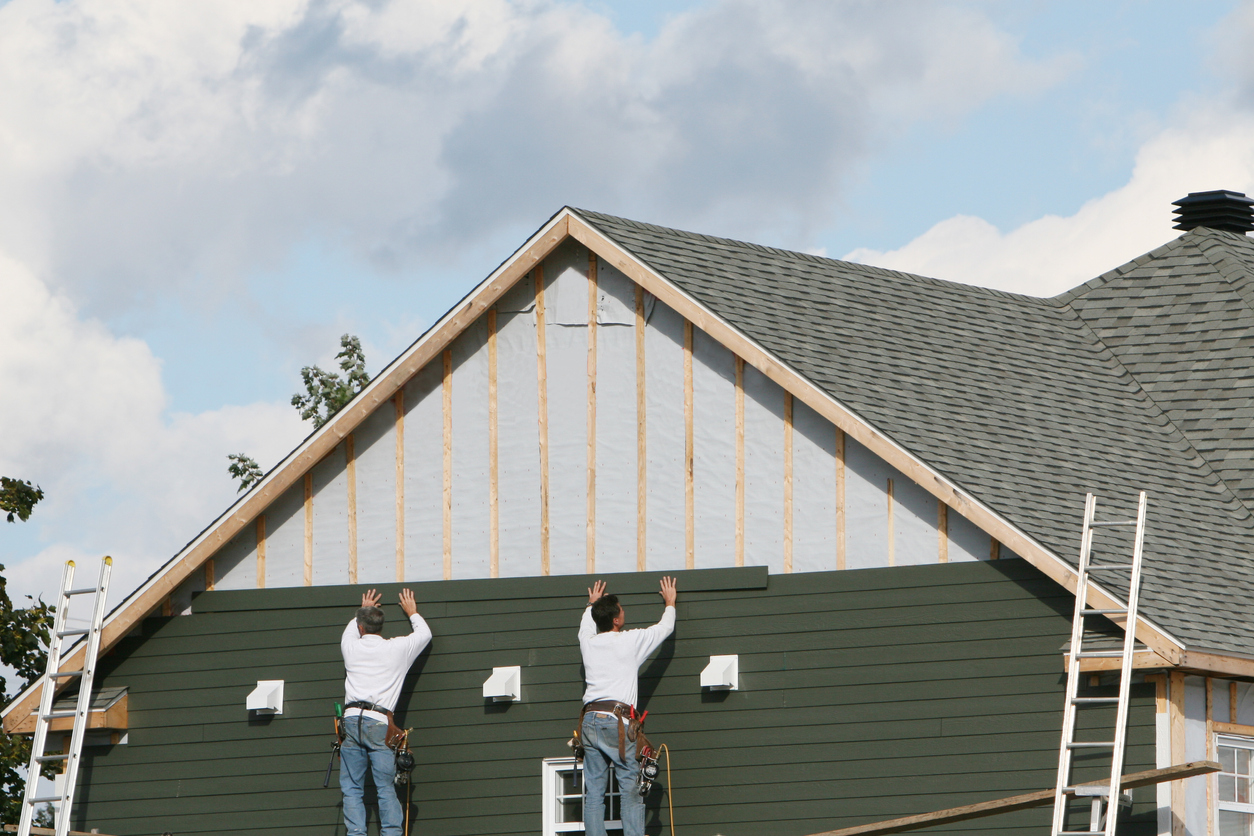
Overview of Exterior Siding Replacement
Exterior siding replacement plays a crucial role in maintaining the structural integrity and aesthetics of your home. Over time, siding can deteriorate due to weather exposure, pests, or general wear and tear, leading to potential issues like water damage and decreased energy efficiency.
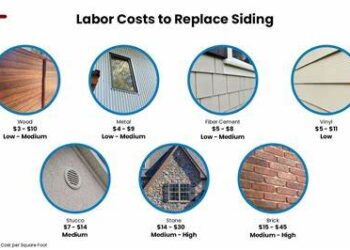
Types of Exterior Siding Materials
- Vinyl: Vinyl siding is a popular choice for its affordability, low maintenance, and versatility in colors and styles.
- Wood: Wood siding offers a traditional and natural look but requires more maintenance to prevent rot and insect damage.
- Fiber Cement: Fiber cement siding is durable, resistant to fire and insects, and comes in various textures resembling wood or stucco.
- Aluminum: Aluminum siding is lightweight, durable, and easy to maintain, but it may dent easily.
Preparation for Exterior Siding Replacement
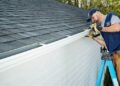
Before replacing exterior siding, it is essential to prepare your house properly. This includes removing the old siding, repairing any underlying damage, and ensuring proper insulation and waterproofing to prevent moisture issues.
Hiring a Contractor for Exterior Siding Replacement
- Choose a reputable contractor with experience in siding replacement and check references to ensure quality work.
- Verify the contractor’s credentials, insurance, and licenses before hiring them for the project.
- Ask potential contractors about their process, timeline, and warranty policies to make an informed decision.
DIY vs. Professional Installation
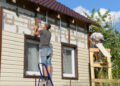
While DIY siding replacement can save money, it requires specific skills, tools, and safety precautions. Hiring professionals ensures proper installation and reduces the risk of mistakes or safety hazards.
Cost Factors and Budgeting
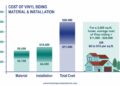
- Consider the cost of materials, labor, permits, and any additional services when budgeting for exterior siding replacement.
- Get multiple quotes from contractors to compare prices and ensure accurate cost estimates for the project.
- Look for ways to save money on siding replacement without compromising on quality, such as choosing cost-effective materials or bundling services.
Maintenance and Longevity of New Siding
Regular maintenance is essential to extend the lifespan of new siding. Follow manufacturer’s guidelines for cleaning and caring for the specific siding material to keep it looking great and functioning properly for years to come.
Outcome Summary
In conclusion, exterior siding replacement is a valuable investment that can transform the look and durability of your home. By understanding the various aspects of this process, you can make informed decisions to ensure a successful siding replacement project.
Helpful Answers
What are the common signs that indicate the need for exterior siding replacement?
Common signs include cracks, warping, rotting, fading color, and increased energy bills due to poor insulation.
How do I prepare my house for exterior siding replacement?
Prepare by cleaning the existing siding, removing obstacles, ensuring proper insulation, and waterproofing the walls.
What should I consider when budgeting for a siding replacement project?
Consider material costs, labor costs, permits, and any additional features you may want to add during the replacement.
How can I maintain the longevity of my new siding?
Maintain it by regularly cleaning, inspecting for damage, repairing promptly, and following manufacturer’s maintenance guidelines.